


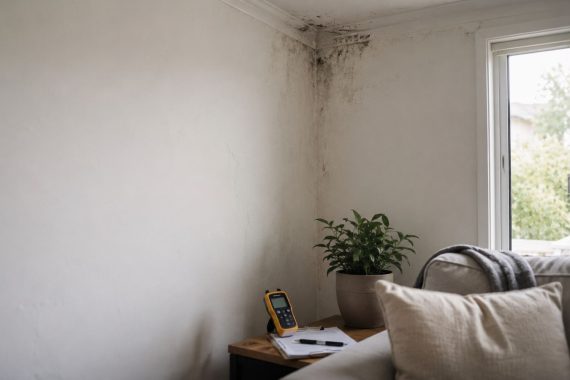
Brisbane homeowners know the benefits of living in a warm, subtropical city. The lifestyle, climate, and outdoor living are some of the biggest advantages of owning property here. But that same climate also creates the perfect conditions for one of the most frustrating household problems: mould.
From bathrooms and bedrooms to ceilings, wardrobes, and air-conditioning systems, mould can develop quickly in Brisbane homes when moisture and poor ventilation are left unchecked. Many property owners first notice a musty smell, dark spots on walls, or recurring condensation, only to realise later that the issue is more widespread than it seemed.
Understanding why Brisbane homes are more vulnerable to mould is the first step in preventing long-term damage. The second step is knowing how to stop it properly before it affects your health, your indoor air quality, and the condition of your property.
Why mould is such a common problem in Brisbane
Mould thrives in environments where there is moisture, warmth, and limited airflow. Brisbane naturally provides all three.
The city’s humid conditions make it easier for surfaces to stay damp for longer periods. Bathrooms remain moist after showers, laundries hold humidity from washing and drying, and bedrooms with poor airflow can trap condensation overnight. During the wetter parts of the year, moisture levels inside the home can rise even more, especially in properties that already have insulation, ventilation, or waterproofing issues.
Older homes in Brisbane are often especially vulnerable. Many were not designed with modern moisture-control systems in mind, which means subfloors, roof cavities, and internal rooms may not ventilate effectively. Even newer homes are not immune. Tightly sealed properties can hold humidity inside if ventilation is poor, especially when windows stay shut and air conditioning units are not properly maintained.
This is why mould is not simply a cleaning problem. It is usually a moisture-management problem.
The main reasons Brisbane homes develop mould
1. High humidity
Humidity is one of the biggest mould triggers in Brisbane. When the air holds more moisture, surfaces inside the home can remain damp for longer. Walls, ceilings, curtains, carpets, and furniture can all become more vulnerable.
Even when there is no obvious leak, high humidity alone can create the right conditions for mould growth.
2. Poor ventilation
Many mould issues start because moist air has nowhere to go. Bathrooms without strong exhaust systems, laundries with limited airflow, and bedrooms with closed windows can all become mould hotspots.
Poor ventilation is also common in wardrobes, cupboards, storage rooms, and areas behind furniture placed too close to walls.
3. Condensation
Condensation happens when warm, moist air meets a cooler surface. In Brisbane, this is often seen on windows, walls, ceilings, and inside air-conditioned rooms. Repeated condensation may seem harmless at first, but over time it can feed mould growth in hidden and visible areas.
4. Water leaks and plumbing problems
Small leaks often go unnoticed until mould appears. Roof leaks, burst pipes, cracked tiles, damaged seals, and leaking showers can all allow moisture to build up behind walls or under flooring.
By the time the mould becomes visible, the water issue may have already been present for weeks or months.
5. Flooding and storm-related moisture
Brisbane properties can also be affected by heavy rain, storms, and water intrusion. After a flooding event or water damage incident, mould can begin developing rapidly if drying is incomplete or delayed.
This is why fast drying and proper remediation are essential after any major moisture event.
6. Air-conditioning and HVAC moisture
Air-conditioning systems can help manage indoor comfort, but if they are not cleaned and maintained properly, they can also contribute to mould problems. Moisture inside the unit, dirty filters, or blocked drainage can encourage mould growth, which may then spread spores through the indoor air.
Where mould commonly appears in Brisbane homes
Mould does not always grow in obvious places. While black spots on a bathroom ceiling are easy to notice, many mould problems begin in hidden areas.
Common mould-prone areas include:
- Bathroom ceilings and grout lines
- Bedroom walls and wardrobes
- Behind beds, couches, and cupboards
- Around windows and curtains
- Laundry rooms
- Under sinks
- Roof cavities
- Subfloors
- Air-conditioning units
- Carpets and soft furnishings after water exposure
If mould keeps returning in the same spot, there is usually an underlying moisture issue that has not been resolved.
Why mould should not be ignored
Some homeowners try to wipe mould away with bleach or household cleaners and assume the problem is solved. In many cases, this only removes the surface appearance temporarily.
If the moisture source remains, the mould often returns.
Ignoring mould can lead to:
- worsening indoor air quality
- damage to paint, plaster, timber, and furnishings
- stronger odours throughout the home
- spread into hidden structural areas
- more expensive remediation later
- discomfort for occupants sensitive to mould exposure
The longer mould is left untreated, the greater the chance it spreads deeper into the property.
How to prevent mould effectively in Brisbane homes
Preventing mould is about controlling moisture consistently. A combination of daily habits, home maintenance, and professional intervention when needed can make a major difference.
Improve ventilation
Good airflow is one of the most important mould prevention measures.
Use exhaust fans in bathrooms and kitchens, open windows when weather allows, and avoid trapping humid air indoors for long periods. In wardrobes, storage spaces, and bedrooms, allow air to circulate rather than packing items tightly against walls.
Reduce indoor humidity
Keeping indoor humidity under control helps reduce the conditions mould needs to grow.
Use dehumidifiers in damp rooms when necessary. Avoid drying clothes indoors without ventilation. Air-conditioners can also help reduce humidity, but they need to be maintained properly to work effectively.
Fix leaks early
Do not ignore small leaks. A dripping pipe, overflowing shower base, or damaged roof flashing can create ongoing moisture behind the scenes.
Routine inspections of plumbing, roofs, seals, gutters, and wet areas can prevent minor issues from turning into major mould problems.
Clean and dry wet areas promptly
Bathrooms, laundries, kitchens, and other wet zones should be dried regularly. After showers, wiping down wet surfaces and improving air circulation can reduce lingering moisture.
After any water damage event, drying should begin immediately.
Keep furniture slightly away from walls
Large furniture placed directly against external walls can trap air and moisture. Leaving a little space allows airflow and makes it easier to spot issues early.
This is especially useful in bedrooms and living rooms where mould often develops behind wardrobes, beds, and couches.
Maintain your air-conditioning system
Dirty filters and moisture build-up inside air-conditioning units can contribute to mould spread. Regular servicing and cleaning are important, especially in Brisbane where air-con use is high for much of the year.
Address the cause, not just the symptom
This is the most important point of all. If mould keeps returning, surface cleaning is not enough. The moisture source must be identified and corrected.
That may involve leak detection, drying, ventilation improvements, subfloor solutions, or targeted remediation.
When to call a professional
A small isolated patch of superficial mould may sometimes be manageable with proper cleaning and improved ventilation. But if the mould covers a larger area, keeps returning, smells strong, appears after water damage, or seems to be coming from inside walls, ceilings, or air-conditioning systems, professional help is the safer option.
Professional mould remediation is especially important when:
- the mould keeps coming back
- the affected area is widespread
- there has been a leak or flood
- the mould is in hidden or hard-to-access areas
- multiple rooms are affected
- air quality concerns are increasing
- the property is being prepared for sale or rental
A proper assessment helps determine not only where mould is visible, but why it is happening in the first place.
Protecting your Brisbane home long term
Brisbane’s climate may make homes more vulnerable to mould, but mould is not something homeowners have to accept as normal.
With the right prevention strategy, regular maintenance, and fast action when warning signs appear, you can significantly reduce the risk of mould growth in your property. The key is to treat mould as a moisture issue, not just a surface stain.
When the underlying cause is identified and corrected, the home becomes healthier, fresher, and far less likely to face repeated mould problems.
If you notice musty smells, recurring mould patches, signs of moisture, or recent water damage in your home, acting early is always the best move.
Call Mould Pro on 1300 662 938
Visit: mouldpro.com.au
FAQs
Why are Brisbane homes more likely to get mould?
Brisbane’s warm, humid climate creates the ideal conditions for mould growth. Moisture in the air, poor ventilation, condensation, and water leaks all make homes more vulnerable.
Is mould more common in older Brisbane homes?
Yes, older homes can be more prone to mould because they may have less effective ventilation, ageing waterproofing, and hidden structural moisture issues. However, newer homes can also develop mould if airflow and moisture control are poor.
Can mould grow even if there is no leak?
Yes. High humidity and condensation alone can be enough to cause mould, especially in bathrooms, bedrooms, wardrobes, and rooms with limited ventilation.
Does bleach permanently remove mould?
No. Bleach may lighten surface stains, but it does not always solve the underlying moisture problem. If the source of moisture remains, mould often returns.
What rooms are most affected by mould in Brisbane homes?
Bathrooms, laundries, bedrooms, wardrobes, ceilings, kitchens, subfloors, and air-conditioning systems are among the most common areas where mould develops.
How do I stop mould from coming back?
To stop mould from returning, you need to identify and fix the moisture source. That may include improving ventilation, reducing humidity, repairing leaks, drying affected areas, and getting professional remediation when needed.
Can air conditioning cause mould?
Air-conditioning systems can contribute to mould if they are dirty, poorly maintained, or holding moisture internally. Regular servicing and cleaning are important.
When should I call a mould professional?
You should call a professional if the mould is widespread, keeps returning, follows water damage, affects multiple rooms, or appears to be hidden behind walls, ceilings, or inside air-conditioning systems.
Is mould bad for the home?
Yes. Mould can damage paint, plaster, timber, furnishings, and indoor air quality. If left untreated, it can spread and become more expensive to remediate.
What is the best way to prevent mould in Brisbane?
The best prevention steps are controlling humidity, improving ventilation, fixing leaks quickly, drying wet areas, maintaining air-conditioning systems, and addressing moisture problems early.
If you want, I can also turn this into a more SEO-focused version with meta title, meta description, H1/H2 structure, CTA block, and internal link suggestions for Mould Pro.
