


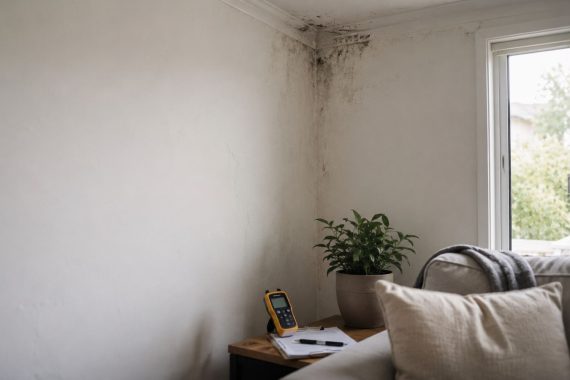
Mould is one of the most common property issues faced by homeowners, tenants, landlords, and business owners across Australia. While it may begin as a small patch on a bathroom ceiling or behind furniture, mould often points to a deeper moisture problem that can continue to spread if it is not addressed properly.
In major cities like Sydney, Melbourne, and Brisbane, mould issues are especially common due to changing weather conditions, indoor humidity, condensation, water leaks, poor ventilation, and storm-related moisture. Each city has its own environmental conditions, but the outcome is often the same: recurring mould that affects the appearance, comfort, and air quality of a property.
For many people, the first instinct is to wipe the mould away with a household cleaner. But visible mould is often only part of the issue. If the moisture source remains untreated, mould usually returns.
That is why professional mould removal matters. Proper remediation is not just about cleaning a surface. It is about identifying the cause, treating the affected areas correctly, reducing contamination, and helping prevent the problem from returning.
Understanding why mould develops indoors
Mould grows where moisture is present. It thrives on damp surfaces and spreads easily in conditions where airflow is poor. This means mould can appear in bathrooms, laundries, wardrobes, ceilings, carpets, walls, air-conditioning systems, subfloors, and even inside cavities where it is not immediately visible.
The main causes of mould growth usually include:
- high indoor humidity
- water leaks
- storm or flood damage
- condensation
- poor ventilation
- rising damp
- trapped moisture behind walls or furnishings
- unclean or moisture-laden air-conditioning systems
While these issues can occur in any property, they show up differently in Sydney, Melbourne, and Brisbane.
Why Sydney homes commonly experience mould problems
Sydney properties often face mould issues due to a combination of coastal humidity, rainfall, condensation, and moisture build-up in poorly ventilated spaces. Apartments, older homes, and family houses can all experience mould, especially in bathrooms, bedrooms, wardrobes, and ceilings.
In many Sydney homes, mould develops because daily moisture is not escaping efficiently. Bathrooms may stay damp after showering, windows may collect condensation, and furniture placed against walls can trap airflow. In some cases, hidden leaks behind walls or around roofing may not be noticed until mould becomes visible.
Sydney’s mix of older housing stock and modern tightly sealed homes also creates different mould risks. Older homes may have structural dampness or ageing waterproofing, while newer homes may retain indoor moisture if ventilation is inadequate.
Why Melbourne properties are vulnerable to mould
Melbourne has its own mould profile. The city’s cooler periods, variable weather, and condensation-heavy indoor environments often contribute to mould growth. In Melbourne homes, mould is frequently associated with cold surfaces, poor airflow, damp corners, and internal moisture trapped during winter or wet periods.
Bedrooms, living rooms, window areas, and wardrobes are often affected because warm indoor air meets cooler surfaces and creates condensation. This moisture can settle on walls, ceilings, window frames, and nearby furnishings, allowing mould to develop gradually.
Melbourne property owners also deal with mould after leaks, poor drainage, and insufficient ventilation in bathrooms and laundries. Because mould can begin subtly, many people only notice it once the smell becomes stronger or visible spotting appears repeatedly in the same place.
Why Brisbane homes are highly prone to mould
Brisbane’s subtropical climate makes mould a particularly common issue. Warm temperatures, high humidity, summer storms, and moisture-heavy air all contribute to the risk. Even without a major leak, ongoing humidity can create ideal mould conditions in bathrooms, bedrooms, ceilings, laundries, wardrobes, and air-conditioning systems.
In Brisbane homes, mould often appears quickly and can spread faster if moisture is not controlled. Properties affected by storm damage or previous water intrusion are at even higher risk. Homes with poor ventilation or insufficient drying after wet weather often see mould return again and again.
This is why Brisbane property owners need to focus not only on visible mould removal, but also on humidity management, ventilation, drying, and moisture control.
Why DIY mould cleaning often fails
One of the biggest mistakes property owners make is treating mould as only a surface problem. Household sprays or bleach may lighten or remove some visible mould temporarily, but they often do not fix the reason the mould appeared in the first place.
If the property still has:
- trapped moisture
- condensation
- hidden water damage
- poor ventilation
- humidity issues
- contaminated porous materials
then mould is likely to return.
DIY attempts can also spread spores if the area is disturbed without proper containment or safe handling methods. In larger or recurring cases, this often leads to a cycle of cleaning, regrowth, and increasing frustration.
What professional mould removal actually involves
Professional mould removal is more than simply wiping down affected surfaces. A proper remediation approach looks at the property as a whole and aims to identify both the visible damage and the underlying cause.
Depending on the situation, professional mould remediation may involve:
Inspection and assessment
The first step is understanding the full extent of the problem. This includes assessing visible mould, identifying moisture sources, and checking nearby or hidden areas that may also be affected.
Moisture detection
Specialist equipment can help locate moisture in walls, ceilings, floors, and other concealed areas where mould may be developing unseen.
Safe treatment of affected areas
Mould-affected surfaces need to be treated correctly based on the type of material, contamination level, and spread. This is especially important in porous materials and larger contaminated zones.
Drying and humidity control
If water damage, dampness, or high moisture levels are part of the issue, drying and environmental control are essential. Without this, mould often returns.
Preventive recommendations
A proper professional service should also help identify what needs to change to reduce future mould risk, whether that means ventilation improvements, leak repairs, dehumidification, or better moisture management.
Why professional mould removal builds long-term value
Whether the property is in Sydney, Melbourne, or Brisbane, professional mould remediation helps protect more than just appearance.
It can help with:
- improving indoor air quality
- preventing further spread
- reducing property damage
- protecting paint, plaster, timber, and furnishings
- addressing recurring moisture issues
- preparing a property for sale, lease, or occupancy
- reducing the chance of repeated mould return
For landlords and property managers, this also matters from a maintenance and tenant-satisfaction perspective. For homeowners, it means acting early before the problem becomes bigger and more expensive.
Signs it is time to call a professional
Not every mould issue looks severe at first. But certain signs suggest the problem needs expert attention.
You should consider professional mould removal when:
- mould keeps returning after cleaning
- the affected area is spreading
- there is a strong musty odour
- multiple rooms are involved
- there has been a leak, flood, or storm damage
- mould is visible on ceilings, walls, or inside wardrobes
- air-conditioning systems may be affected
- mould is appearing in hidden or hard-to-reach places
- you are preparing the property for tenants, buyers, or sale
If mould continues to come back in the same location, it is usually a sign that the source has not been resolved.
Choosing the right mould removal company in Sydney, Melbourne, and Brisbane
When selecting a mould removal specialist, experience matters. So does the ability to understand the different causes of mould in different environments.
A professional company should be able to:
- assess the mould issue properly
- explain likely causes clearly
- recommend the right remediation approach
- identify moisture and ventilation concerns
- handle residential and commercial properties
- provide practical prevention advice after treatment
This is especially important in large metro markets like Sydney, Melbourne, and Brisbane, where building styles, environmental conditions, and moisture sources can vary significantly from one property to another.
Preventing mould after remediation
Once mould has been treated, prevention becomes the next priority. Some of the most effective steps include:
- improving airflow in damp rooms
- using exhaust fans in bathrooms and laundries
- keeping indoor humidity under control
- fixing leaks quickly
- drying water-damaged areas immediately
- maintaining air-conditioning systems
- avoiding trapping furniture tightly against walls
- checking wardrobes, ceilings, and corners regularly
Good prevention is always easier and cheaper than repeated remediation.
Final thoughts
Mould is a serious and persistent issue in Sydney, Melbourne, and Brisbane, but it is not something property owners should simply live with. While each city has different conditions that contribute to mould growth, the key principle stays the same: mould must be addressed at both the surface level and the moisture-source level.
That is why professional mould removal matters.
When mould is treated properly, moisture is identified, and preventive action is taken, the property becomes safer, fresher, and less likely to face the same recurring issue again.
If you are noticing mould, musty odours, moisture signs, or repeated regrowth in your home or workplace, early action is always the best step.
Call Mould Pro on 1300 662 938
Visit: mouldpro.com.au
FAQs
Is mould common in Sydney, Melbourne, and Brisbane?
Yes. These cities all experience conditions that can support mould growth, including humidity, condensation, rainfall, poor ventilation, and water damage.
Why does mould keep coming back after cleaning?
Mould usually returns when the underlying moisture problem has not been fixed. Surface cleaning alone is often not enough.
Is professional mould removal better than DIY cleaning?
For recurring, widespread, or hidden mould, professional removal is usually the better option because it focuses on both treatment and the source of moisture.
What causes mould in Brisbane homes?
Brisbane homes are especially vulnerable due to high humidity, warm temperatures, storms, moisture retention, and poor ventilation.
Why is mould common in Melbourne properties?
In Melbourne, mould often develops because of condensation, cooler indoor surfaces, damp rooms, poor airflow, and hidden moisture issues.
What areas of Sydney homes are most at risk?
Bathrooms, bedrooms, ceilings, wardrobes, windows, and poorly ventilated rooms are common mould-prone areas in Sydney homes.
Can mould affect commercial properties too?
Yes. Offices, retail sites, clinics, and other commercial buildings can also suffer from mould due to leaks, HVAC moisture, humidity, and poor ventilation.
When should I call a mould professional?
You should call a professional if mould keeps returning, spreads across larger areas, follows water damage, or appears in multiple rooms or hidden places.
