
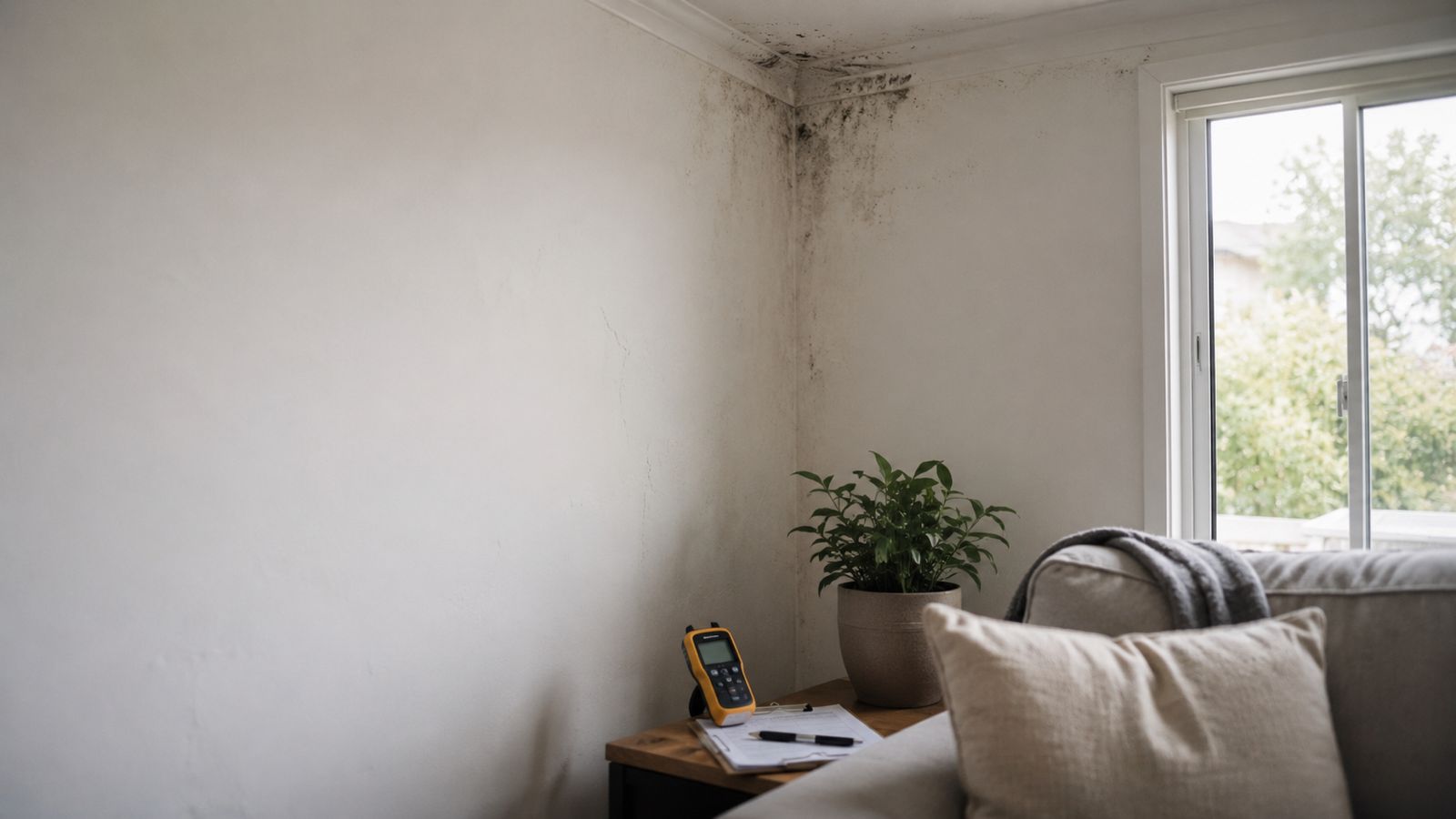

Cleaning mould only to see it return a few weeks later is frustrating — and usually a sign that the real problem has not been solved.
Mould is rarely just a surface issue. In many homes and commercial properties, recurring mould is linked to excess moisture, poor ventilation, condensation, hidden leaks, water damage, or damp building materials. Unless those underlying conditions are identified and addressed, wiping away visible mould may provide only temporary relief.
This is especially relevant for properties in Sydney, Melbourne and Brisbane, where different climate conditions can contribute to persistent indoor mould problems.
- Sydney homes can experience high humidity, coastal moisture and condensation.
- Melbourne properties often face cooler temperatures and condensation during winter.
- Brisbane’s warm, subtropical climate creates ideal conditions for mould growth when humidity and moisture are not properly controlled.
So how do you know when household cleaning is no longer enough? Here are seven signs that it may be time to consider professional mould removal.
1. Mould Keeps Returning After You Clean It
One of the clearest signs of an underlying problem is mould that repeatedly comes back in the same location.
You may clean a bathroom ceiling, bedroom wall or window frame and think the problem has been solved. But if mould begins to reappear within weeks or months, there is probably still enough moisture in the area for mould to grow again.
Recurring mould can be caused by:
- Excessive indoor humidity
- Poor ventilation
- Condensation
- Plumbing leaks
- Roof leaks
- Moisture inside walls or ceilings
- Damp building materials
- Inadequate drying after water damage
Cleaning the visible surface without correcting the moisture source is unlikely to provide a long-term solution. Professional mould remediation focuses on understanding why mould is growing, not simply removing what can be seen.
2. There Is a Persistent Musty Smell
Mould does not always grow where you can easily see it.
A persistent earthy or musty smell can sometimes indicate mould growth behind walls, under flooring, inside cupboards or within other concealed areas.
You might notice the smell most strongly when:
- Entering a bedroom after it has been closed
- Opening a wardrobe or cupboard
- Turning on an air-conditioning system
- Entering a room affected by previous water damage
- Walking into a basement, subfloor or poorly ventilated space
If you can smell mould but cannot find an obvious source, professional assessment may help identify where moisture or hidden contamination is present. Ignoring the smell and using air fresheners may mask the symptom without addressing the cause.
3. Mould Is Spreading to Multiple Areas
A small isolated patch of superficial mould may sometimes be manageable with appropriate cleaning and better ventilation.
However, mould appearing in multiple rooms or repeatedly spreading across walls and ceilings can indicate a larger moisture or environmental problem.
For example, you may begin with mould in a bathroom and later notice similar growth in:
- Adjoining bedrooms
- Wardrobes
- Ceilings
- Window frames
- Curtains
- Carpets
- Air-conditioning vents
When mould is affecting several areas, the issue may be related to elevated indoor humidity, water intrusion or inadequate ventilation throughout the property. At this stage, simply treating each visible patch individually may not address the wider problem.
4. Mould Appeared After a Leak, Storm or Water Damage
Water damage and mould are closely connected.
A leaking roof, damaged pipe, overflowing appliance, storm event or flooding incident can introduce large amounts of moisture into building materials.
Even after the visible water disappears, moisture can remain trapped inside:
- Plasterboard
- Timber
- Insulation
- Carpet
- Flooring
- Wall cavities
- Cabinetry
If these materials remain damp, mould may begin developing out of sight. Sydney and Brisbane properties can be particularly vulnerable after periods of heavy rainfall and storms, while water intrusion can create mould problems in Melbourne homes during wetter months as well.
If mould appears after water damage — especially if the affected area was not professionally dried — the underlying materials may need further investigation.
5. Your Walls, Ceilings or Windows Stay Damp
Regular condensation is another warning sign.
If windows are constantly wet in the morning, walls feel damp, or ceilings repeatedly develop moisture spots, the indoor environment may be holding too much moisture.
Condensation occurs when warm, moisture-heavy air comes into contact with a cooler surface. Over time, repeated condensation can provide enough moisture for mould to grow on:
- Painted walls
- Ceilings
- Window frames
- Curtains
- Wardrobes
- Furnishings
This is particularly common in Melbourne during colder weather, when warm indoor air meets cooler windows and external walls. In Brisbane and Sydney, high humidity can create similar conditions during warmer or wetter periods.
Reducing the mould effectively therefore requires more than simply cleaning the affected surface. Ventilation, humidity and moisture conditions may also need to be addressed.
6. Mould Is Growing Behind Furniture or Inside Wardrobes
Some of the most common mould problems occur in areas where airflow is limited.
Large wardrobes, beds, sofas and cupboards positioned tightly against walls can restrict air circulation and trap moisture. This creates an environment where mould may develop unnoticed.
Signs can include:
- Mould on clothing or shoes
- Musty wardrobe smells
- Dark spots on the back of furniture
- Mould behind bedheads
- Discolouration on external walls
- Damp patches inside cupboards
Recurring wardrobe or furniture mould may indicate excessive humidity, condensation or moisture coming through the wall. Moving furniture slightly away from walls and improving ventilation can help, but widespread or persistent mould may require professional investigation.
7. DIY Mould Treatments Are No Longer Working
Bleach, supermarket mould sprays and household cleaners may change the appearance of mould on some surfaces, but they do not necessarily solve the cause.
If you have repeatedly tried different cleaning products and the mould continues to return, it is time to stop treating the problem as purely cosmetic.
Mould remediation should consider:
- The source of moisture
- The extent of contamination
- Whether porous materials are affected
- Ventilation conditions
- Drying requirements
- The possibility of hidden mould
Repeated cleaning without addressing these factors can result in an ongoing cycle of mould growth. Professional assessment can help determine whether the issue requires more extensive treatment.
Why Mould Keeps Coming Back in Sydney Homes
Sydney’s climate varies significantly across the metropolitan area, but humidity, coastal moisture, rainfall and condensation all contribute to mould risk.
Common Sydney mould problems include bathroom ceiling mould, bedroom condensation, mould behind furniture and moisture associated with leaks or poorly ventilated apartments. Older Sydney properties may also have ageing waterproofing, roofing or drainage problems that contribute to dampness.
If you are dealing with recurring mould, professional mould removal in Sydney can help identify whether the visible growth is being driven by a deeper moisture issue.
Why Mould Keeps Coming Back in Melbourne Homes
Melbourne properties commonly experience mould associated with condensation and cooler indoor surfaces.
During colder months, homes are often kept closed to retain heat. This can reduce ventilation while activities such as showering, cooking and drying clothes increase indoor moisture.
Common Melbourne problem areas include:
- Bedrooms
- Wardrobes
- Window frames
- Bathroom ceilings
- External-facing walls
Repeated condensation combined with limited airflow can allow mould to return even after cleaning. Professional mould removal in Melbourne should therefore consider both the visible contamination and the environmental conditions contributing to it.
Why Mould Keeps Coming Back in Brisbane Homes
Brisbane’s warm, humid climate makes moisture management particularly important.
High humidity, summer storms, air-conditioning use and poor ventilation can create favourable conditions for mould growth. Bathrooms, bedrooms, ceilings, wardrobes and air-conditioning systems are common problem areas.
Following storms or water intrusion, mould can also develop if affected materials remain damp. Professional mould removal in Brisbane can help address recurring mould while identifying the moisture conditions that may be allowing it to return.
Mould Cleaning vs Professional Mould Remediation
There is an important difference between cleaning visible mould and properly addressing a recurring mould problem.
Cleaning focuses mainly on what can be seen on the surface. Professional mould remediation looks more broadly at:
- Moisture sources
- Affected materials
- Environmental conditions
- Contamination extent
- Ventilation and drying
- Prevention
The goal is not simply to make the mould disappear temporarily. It is to reduce the conditions that allowed it to develop in the first place. This distinction becomes particularly important when mould keeps returning, affects multiple areas or follows water damage.
How Can You Reduce the Risk of Mould Returning?
While every property is different, several practical steps can help reduce mould risk:
- Use exhaust fans when showering and cooking
- Improve airflow throughout the property
- Fix roof and plumbing leaks promptly
- Dry water-damaged areas quickly
- Avoid drying clothes indoors without adequate ventilation
- Keep furniture slightly away from walls
- Monitor condensation on windows and ceilings
- Maintain air-conditioning systems
- Use appropriate humidity control where required
The most important step is addressing moisture early. If dampness, condensation or leaks are allowed to continue, mould is likely to remain a recurring problem.
When Should You Call a Mould Professional?
Professional help should be considered when mould:
- Repeatedly returns after cleaning
- Covers a large or expanding area
- Appears in multiple rooms
- Follows flooding or significant water damage
- Produces strong musty odours
- Appears to be hidden behind walls or ceilings
- Affects air-conditioning systems
- Is linked to persistent dampness
Early action can help prevent a small problem from developing into a much more extensive remediation project.
Professional Mould Removal Across Sydney, Melbourne and Brisbane
Mould Pro provides professional mould remediation services for residential and commercial properties across major Australian regions, including Sydney, Melbourne and Brisbane.
Rather than treating mould as only a surface stain, the focus is on understanding the conditions contributing to the problem and taking appropriate steps to address both mould and moisture.
If mould keeps coming back in your home, rental property, office or commercial building, it may be time to investigate what is happening beneath the surface.
Call Mould Pro on 1300 662 938 to discuss your mould problem and the appropriate next step.
Visit mouldpro.com.au
Frequently Asked Questions
Why does mould keep coming back after I clean it?
Mould commonly returns because moisture, humidity, condensation or a leak is still present. Removing visible mould without correcting the underlying moisture issue may only provide temporary results.
Is recurring mould a sign of a bigger problem?
It can be. Recurring mould may indicate hidden moisture, poor ventilation, condensation, water ingress or damp building materials. An assessment can help determine what is causing the repeated growth.
Is bleach enough to permanently remove mould?
Bleach or household mould cleaners may alter the appearance of mould on certain surfaces, but they do not necessarily address hidden contamination or the moisture conditions causing growth.
Why is mould so common in Brisbane?
Brisbane’s warm, humid climate, seasonal storms and high indoor moisture levels can create ideal conditions for mould growth when ventilation and moisture control are inadequate.
Why does mould appear during winter in Melbourne?
Melbourne homes can experience significant indoor condensation during cooler months. Warm indoor air meeting cold windows and walls can create moisture that supports mould growth.
Is mould common in Sydney apartments?
Yes. Apartments can experience mould due to condensation, limited ventilation, bathroom humidity, water leaks and furniture positioned against poorly ventilated walls.
When should I stop cleaning mould myself and call a professional?
Consider professional help when mould repeatedly returns, affects a large area, spreads across multiple rooms, follows water damage, creates persistent musty odours or appears to be growing in hidden areas.
Can professional mould removal stop mould from ever returning?
No responsible mould-remediation provider can guarantee that mould will never grow again under any conditions. Long-term prevention depends on controlling moisture, repairing leaks, improving ventilation and maintaining appropriate indoor conditions after remediation.
Does Mould Pro service Sydney, Melbourne and Brisbane?
Yes. Mould Pro provides mould-related services across major Australian regions, including Sydney, Melbourne and Brisbane.
Need help with recurring mould? Call Mould Pro on 1300 662 938 or visit mouldpro.com.au.
